

Commercial renovation projects often begin with interior demolition to remove outdated materials, damaged structures, or existing layouts before new construction can start. Whether a property is being remodeled for a new tenant, updated after water or fire damage, or reconfigured for operational improvements, professional commercial interior demolition services play an important role in preparing the space safely and efficiently.
For commercial and industrial properties throughout Chicago, interior demolition projects require careful planning, environmental compliance, and coordination to minimize disruptions while maintaining job site safety.
Understanding when interior demolition is needed can help business owners, property managers, and contractors better prepare for upcoming renovation projects.
What Is Commercial Interior Demolition?
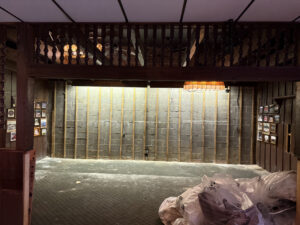
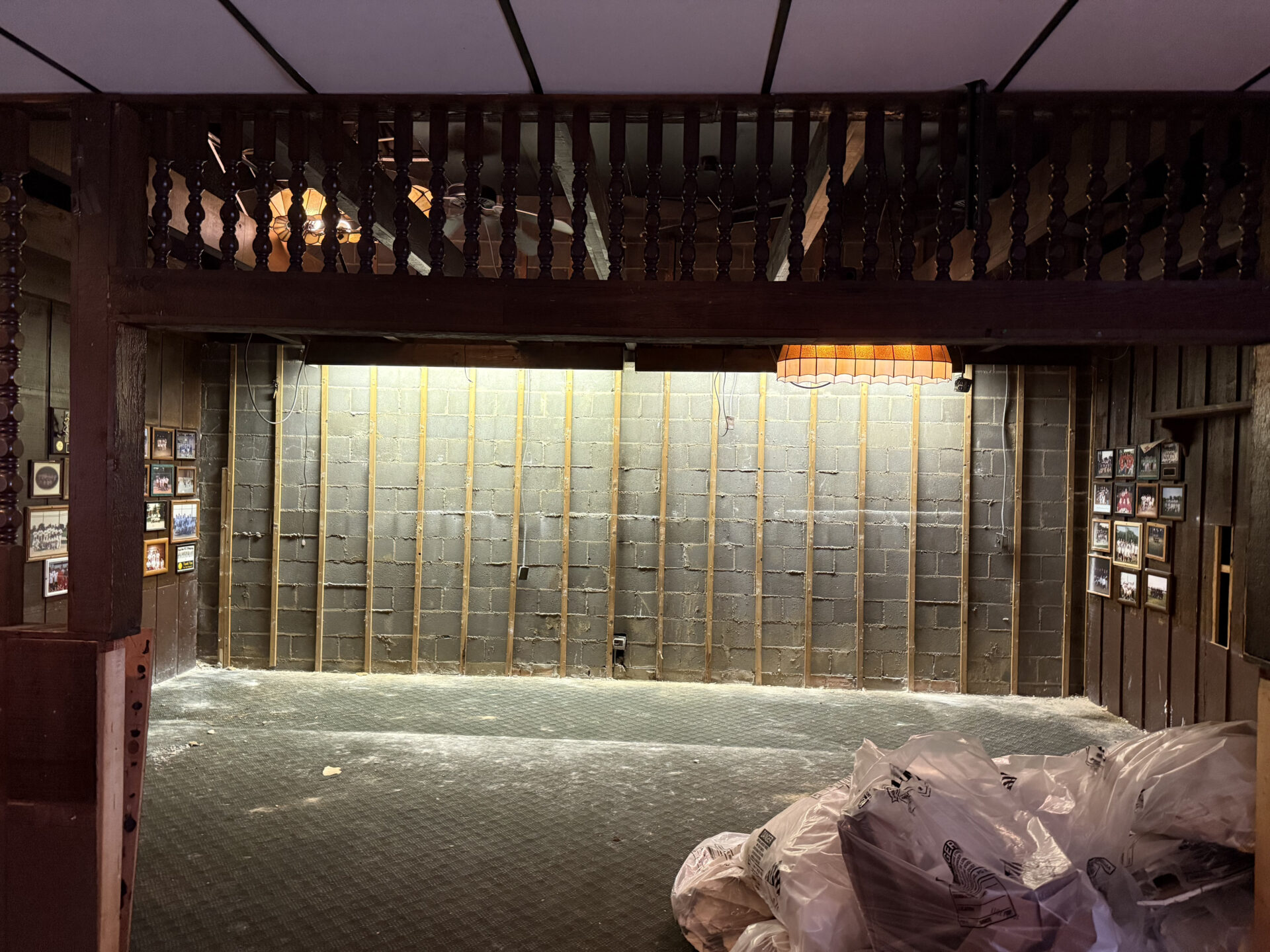
Commercial interior demolition involves selectively removing non-structural components inside a building while preserving the overall structural framework. Unlike full building demolition, interior demolition focuses on clearing specific areas so renovations or rebuilds can move forward.
Interior demolition may include removing:
- Walls and partitions
- Flooring systems
- Ceiling systems
- HVAC components
- Cabinets and fixtures
- Plumbing systems
- Electrical systems
- Interior framing
- Mechanical equipment
The goal is to safely prepare the property for future construction or remodeling work.
Common Reasons Businesses Need Interior Demolition
There are several situations where commercial interior demolition services may be necessary.
Office Renovations
Businesses frequently renovate office spaces to improve layouts, increase functionality, or modernize outdated interiors. Demolition allows contractors to remove old walls, flooring, and fixtures before new construction begins.
Office renovations may involve:
- Open-concept redesigns
- Conference room additions
- Tenant improvements
- Workspace expansions
- HVAC upgrades
Retail Build-Outs
Retail spaces often require interior demolition when new tenants move into an existing commercial property. Previous layouts, shelving systems, or partition walls may need to be removed before the new build-out can begin.
This is common in:
- Shopping centers
- Restaurants
- Retail stores
- Mixed-use commercial properties
Water or Fire Damage Restoration
After major water or fire damage, interior demolition is often necessary to remove unsafe or contaminated materials before restoration can begin.
Damaged materials may include:
- Drywall
- Insulation
- Flooring
- Ceiling systems
- Framing components
Removing affected materials quickly helps prevent additional environmental concerns such as mold growth.
Industrial Facility Upgrades
Manufacturing plants, warehouses, and industrial facilities may require selective demolition during equipment upgrades or operational changes.
Industrial demolition projects may involve:
- Equipment removal
- Mezzanine demolition
- Utility modifications
- Mechanical system upgrades
- Production line reconfiguration
What Is Removed During Interior Demolition?
The scope of demolition depends on the renovation goals and building conditions. Some projects involve small selective removals, while others require large-scale gutting of interior spaces.
Common demolition tasks include:
- Removing drywall and framing
- Floor covering removal
- Ceiling tile and grid removal
- Fixture and cabinet removal
- Electrical and plumbing disconnection
- Mechanical equipment removal
- Debris hauling and disposal
Every project should be planned carefully to avoid unnecessary damage to structural systems.
Why Safety and Environmental Compliance Matter
Commercial demolition projects often involve environmental and safety concerns that must be addressed before work begins.
Older buildings may contain:
- Asbestos-containing materials
- Lead-based paint
- Mold contamination
- Hazardous debris
Before demolition starts, environmental inspections may be necessary to identify hazardous materials and ensure proper remediation procedures are followed.
Professional demolition contractors also help manage:
- Dust containment
- Site safety
- Air quality protection
- Debris disposal
- Regulatory compliance
These measures help protect workers, occupants, and surrounding businesses during the demolition process.
How Demolition Supports Renovation Timelines
Proper interior demolition creates a clean and organized environment for construction teams to begin rebuilding efficiently. Delays during demolition can affect the entire renovation timeline, especially if hidden environmental concerns or structural issues are discovered late in the process.
Working with an experienced demolition contractor helps improve project coordination and reduce disruptions during commercial renovations.
Commercial Interior Demolition Services in Chicago
EHC Industries provides commercial interior demolition, asbestos abatement, mold remediation, lead remediation, and environmental services throughout Chicago and surrounding areas. Our team works with commercial property owners, contractors, facility managers, industrial properties, healthcare facilities, schools, and retail businesses to safely prepare buildings for renovation and redevelopment projects.
Whether you need selective demolition for an office remodel, retail build-out, industrial upgrade, or restoration project, our team can help manage the demolition process safely and efficiently.
Contact EHC Industries today to schedule a consultation for your commercial demolition project.