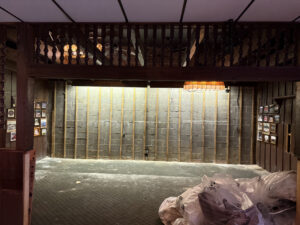



Even with careful planning, hazardous materials are sometimes discovered after renovation or demolition work has already begun. This situation can be stressful for property owners, contractors, and facility managers, especially when project timelines and budgets are at risk.
Hazardous material discovery commercial renovation Chicago projects often involve materials hidden behind walls, beneath flooring, or above ceilings. When these materials are disturbed unexpectedly, construction work must stop until proper safety measures are implemented.
Understanding how to respond quickly and correctly can reduce delays, prevent regulatory violations, and protect workers and building occupants.
Why Hazardous Material Discovery Commercial Renovation Chicago Projects Experience Unexpected Risks
Many commercial buildings in Chicago were constructed decades ago using materials that are now known to pose health risks. Over time, these materials may remain hidden until renovation work begins.
Unexpected hazardous materials are commonly discovered in:
- Ceiling and insulation materials
- Floor tiles and adhesives
- Wall coatings and structural components
- Pipe insulation systems
- Mechanical rooms and utility areas
- Hidden spaces behind walls and partitions
Hazardous material discovery commercial renovation Chicago situations often occur when demolition begins and materials are disturbed for the first time.
Even when initial inspections are completed, concealed materials can still be uncovered during active construction.
Immediate Steps to Take When Hazardous Materials Are Found
When hazardous materials are discovered during renovation, taking the correct steps immediately is critical. Acting quickly protects workers and prevents further contamination.
Stop Work Immediately
The first step after hazardous materials are discovered is to stop all work in the affected area. Continuing work without proper containment increases the risk of spreading hazardous particles.
Stopping work helps:
- Prevent exposure to workers
- Limit contamination spread
- Protect surrounding areas
- Maintain regulatory compliance
Project managers should ensure that all personnel leave the affected area until professional evaluation occurs.
Secure the Affected Area
Once work stops, the area should be secured to prevent unauthorized access.
Securing the site may involve:
- Blocking entry points
- Posting warning signage
- Limiting access to trained personnel
- Isolating nearby work zones
Proper containment reduces the risk of contamination spreading to other areas of the building.
Contact Certified Environmental Professionals
Professional environmental contractors play a key role in managing hazardous material discovery commercial renovation Chicago projects.
Certified teams conduct:
- Material testing and identification
- Risk assessments
- Containment setup
- Safe removal planning
- Documentation required for compliance
Working with qualified professionals ensures that all procedures follow regulatory standards.
Common Hazardous Materials Found During Renovation
Certain hazardous materials are more commonly discovered during renovation projects. Understanding these risks helps property owners recognize potential concerns early.
Asbestos-Containing Materials
Asbestos was widely used in commercial construction due to its fire-resistant properties. Today, it remains one of the most frequently discovered hazards during renovation.
Common asbestos locations include:
- Insulation materials
- Floor tiles
- Ceiling tiles
- Roofing components
- Mechanical system insulation
Asbestos exposure can create serious health risks, making proper removal essential.
Lead-Based Paint
Lead-based paint was widely used in commercial and residential buildings prior to modern safety regulations. Renovation work that disturbs painted surfaces can release hazardous dust.
Lead hazards are often found on:
- Walls and ceilings
- Doors and trim
- Structural supports
- Metal fixtures
- Window frames
Safe removal procedures help prevent contamination and protect building occupants.
Mold Contamination
Moisture problems can lead to mold growth behind walls, ceilings, and flooring materials. Mold may not be visible until renovation work exposes affected areas.
Mold contamination can:
- Affect indoor air quality
- Damage building materials
- Create health concerns
- Increase liability risks
Professional remediation ensures safe removal and restoration of affected areas.
How Hazard Discovery Impacts Project Timelines
Unexpected hazardous materials can disrupt even the most carefully planned renovation schedule. Understanding how these discoveries impact timelines helps property owners prepare for potential adjustments.
Hazardous material discovery commercial renovation Chicago situations may require:
- Temporary project shutdowns
- Emergency inspections
- Containment installation
- Remediation planning
- Regulatory approvals
- Waste disposal coordination
These steps take time but are necessary to ensure safety and compliance.
Early response helps minimize delays and keeps projects moving forward as efficiently as possible.
Regulatory Compliance Requirements After Hazard Discovery
When hazardous materials are discovered, strict regulations must be followed to ensure safety and environmental compliance.
Compliance requirements may include:
- Hazard identification testing
- Certified removal procedures
- Documentation of remediation steps
- Approved waste disposal methods
- Worker protection protocols
Hazardous material discovery commercial renovation Chicago projects must follow federal, state, and local environmental guidelines.
Failure to comply with regulations can result in:
- Fines and penalties
- Legal liability
- Project shutdowns
- Increased insurance costs
- Reputation damage
Maintaining compliance protects both property owners and contractors.
Strategies to Reduce Future Hazard Discoveries
While not all hazards can be predicted, certain steps help reduce the likelihood of unexpected discoveries during renovation.
Preventive strategies include:
- Conducting thorough environmental inspections
- Testing suspect materials before demolition
- Reviewing building history and renovation records
- Working with experienced environmental contractors
- Developing contingency plans
These strategies improve project readiness and reduce uncertainty.
Hazardous material discovery commercial renovation Chicago risks can often be minimized through careful planning and professional oversight.
The Importance of Experienced Environmental Contractors
Managing hazardous materials requires specialized knowledge, equipment, and regulatory understanding. Working with experienced professionals helps ensure that hazards are handled correctly and efficiently.
Professional environmental contractors provide:
- Rapid hazard response
- Certified material testing
- Safe containment systems
- Regulatory documentation
- Efficient removal procedures
- Coordination with construction teams
Their expertise helps protect workers, maintain compliance, and minimize disruption to project timelines.
Protect Your Project with Professional Hazard Response Services
Unexpected hazardous materials do not have to derail your renovation project. With the right response plan and professional support, projects can move forward safely and efficiently.
EHC Industries provides commercial environmental services designed to support renovation and demolition projects, including:
- Asbestos abatement
- Lead paint removal
- Mold remediation
- Interior demolition
- Debris removal
- Emergency hazard response services
If hazardous materials are discovered during your renovation project, working with a qualified environmental contractor ensures safe resolution and compliance with all regulations.
Contact EHC Industries today to discuss your renovation project or request assistance with hazardous material discovery during active construction.