

What Happens During Emergency Mold Remediation After a Commercial Water Loss?
A burst pipe, damaged roof, failed sprinkler system, sewage backup, or severe storm can introduce a significant amount of water into a commercial building in a matter of minutes. Once the immediate source has been controlled, the next concern is often whether trapped moisture could lead to mold growth.
Not every commercial water loss becomes a mold-remediation project. If the water is removed quickly and affected materials are dried thoroughly, it may be possible to avoid widespread microbial growth. However, moisture can travel beneath flooring, behind walls, above ceilings, through insulation, and into mechanical systems where the extent of the damage is not immediately visible.
The U.S. Environmental Protection Agency recommends drying water-damaged areas and materials within approximately 24 to 48 hours whenever possible to help prevent mold growth. That window is not a guarantee that mold will or will not develop, but it emphasizes the importance of responding promptly.
Emergency commercial mold remediation involves more than removing stained drywall or placing drying equipment in the affected room. It requires a coordinated process that may include moisture assessment, containment, controlled removal, cleaning, drying, verification, documentation, and communication with the building’s occupants and other contractors.
Understanding that process can help property owners and facility managers make informed decisions while protecting the building, its occupants, and the renovation or restoration schedule.
The First Priority Is Controlling the Water Source
Before remediation begins, the source of the water must be identified and controlled.
Depending on the nature of the incident, that may require assistance from:
- A plumber
- A roofing contractor
- A fire-protection company
- A mechanical contractor
- An electrician
- A building engineer
- A sewage-cleanup specialist
- The municipal water department
- An insurance adjuster or risk-management representative
Standing water and active leaks can create electrical, structural, and slip-and-fall hazards. Building personnel should not enter an affected area until it has been determined that doing so is safe.
The initial response may include shutting off a water supply, isolating electrical service, stopping HVAC operation in the affected zone, restricting access, or relocating occupants.
Remediation cannot provide a lasting solution if the moisture source remains active. Cleaning visible mold without correcting the underlying water problem will allow the same conditions to return.
Common Causes of Commercial Water Losses
Commercial water damage can occur in virtually any type of property, including office buildings, schools, healthcare facilities, manufacturing plants, warehouses, hotels, multifamily buildings, and retail spaces.
Common sources include:
- Burst or leaking supply lines
- Failed plumbing fixtures
- Roof leaks
- Ice dams and winter weather
- Stormwater intrusion
- Foundation or groundwater seepage
- Sewage backups
- Fire-suppression system discharge
- Malfunctioning HVAC equipment
- Condensation around mechanical systems
- Blocked floor drains
- Failed water heaters
- Appliance or equipment leaks
- Construction-related openings in the building envelope
The source and type of water can affect how the response is managed. A clean-water supply-line break presents different concerns than water containing sewage, chemicals, or other contaminants.
The response team must understand where the water originated, how long it has been present, what materials it contacted, and whether it traveled into concealed building cavities.
Why a Fast Response Matters
Mold spores are naturally present in indoor and outdoor environments. Moisture allows those spores to grow on susceptible materials.
Paper-faced drywall, ceiling tiles, insulation, carpet backing, wood products, fabrics, and accumulated dust can all support mold growth when they remain damp. Even when a surface appears dry, moisture may remain trapped within the material or behind it.
A rapid response helps the project team:
- Limit the distance water travels
- Identify affected materials sooner
- Remove standing water
- Begin controlled drying
- Reduce the potential for mold growth
- Preserve materials that may be salvageable
- Prevent damage from spreading to adjacent spaces
- Reduce disruption to building operations
- Establish documentation for insurance and project planning
Waiting for visible mold to appear is not an effective response strategy. By the time discoloration or odors are noticed, moisture may have already migrated well beyond the original area.
Step 1: Establish Site Safety and Control Access
The first stage of an emergency response is determining whether the affected area is safe to enter.
Potential hazards may include:
- Energized electrical equipment
- Damaged ceilings or structural components
- Slip-and-fall conditions
- Contaminated water
- Wet insulation
- Mold growth
- Airborne dust or debris
- Damaged mechanical equipment
- Asbestos-containing materials
- Lead-based or lead-containing coatings
Access should be limited until these hazards have been assessed. In an occupied property, temporary barriers and signage may be necessary to keep employees, tenants, students, customers, or patients away from the work area.
If the water loss affects an occupied facility, the building’s emergency-response plan should identify who has authority to close rooms, relocate occupants, shut down equipment, and communicate with stakeholders.
Step 2: Complete an Initial Moisture Assessment
The visible water line rarely tells the entire story.
A professional assessment may use moisture meters, infrared imaging, visual inspection, building drawings, and selective investigation to determine how far the water traveled. The team may inspect:
- Drywall and wall cavities
- Flooring and subflooring
- Carpet and carpet padding
- Ceiling systems
- Insulation
- Millwork and cabinetry
- Structural components
- Mechanical rooms
- Elevator pits
- Shafts and chases
- Above-ceiling spaces
- HVAC equipment and ductwork
- Adjacent rooms and floors below the loss
Moisture mapping creates a record of the affected area and establishes baseline readings that can be compared with later measurements.
This step is critical because water can move horizontally and vertically through a building. A pipe failure on one floor may affect walls, ceilings, and electrical or mechanical systems several levels below it.
Step 3: Determine Whether Mold Remediation Is Necessary
A water loss does not automatically require full mold remediation. The correct response depends on factors such as:
- How long the materials have been wet
- Whether visible mold is present
- Whether musty odors are detected
- The type of water involved
- The porosity of the affected materials
- Whether materials can be completely dried
- The size and location of the affected area
- Whether the building serves sensitive occupants
- Whether hidden cavities are involved
- Whether previous water damage occurred in the same area
If mold is visible or suspected, an environmental consultant or other qualified professional may be brought in to assess the condition and develop a remediation plan.
The remediation contractor and environmental consultant serve different roles. The consultant may identify affected areas, establish the remediation scope, conduct sampling when appropriate, and perform post-remediation verification. The remediation contractor performs the containment, removal, cleaning, and related work described in the project plan.
Not every project requires the same combination of professionals, but clearly defining each party’s responsibilities helps prevent gaps and conflicts.
Step 4: Document the Existing Conditions
Documentation should begin before damaged materials are removed.
The project file may include:
- Photographs and video
- Moisture readings
- Floor plans
- Affected-material inventories
- Equipment locations
- Daily work logs
- Containment records
- Waste manifests or disposal records
- Environmental reports
- Air-quality or surface-sampling results
- Drying logs
- Completion documentation
This information helps the property owner, insurer, consultant, remediation contractor, and restoration team understand what occurred and how the response was managed.
Good documentation is especially important when the incident affects multiple tenants, public spaces, valuable equipment, regulated materials, or an active construction project.
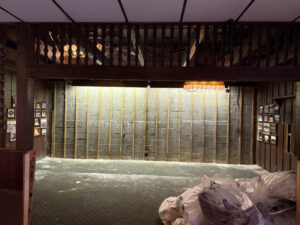
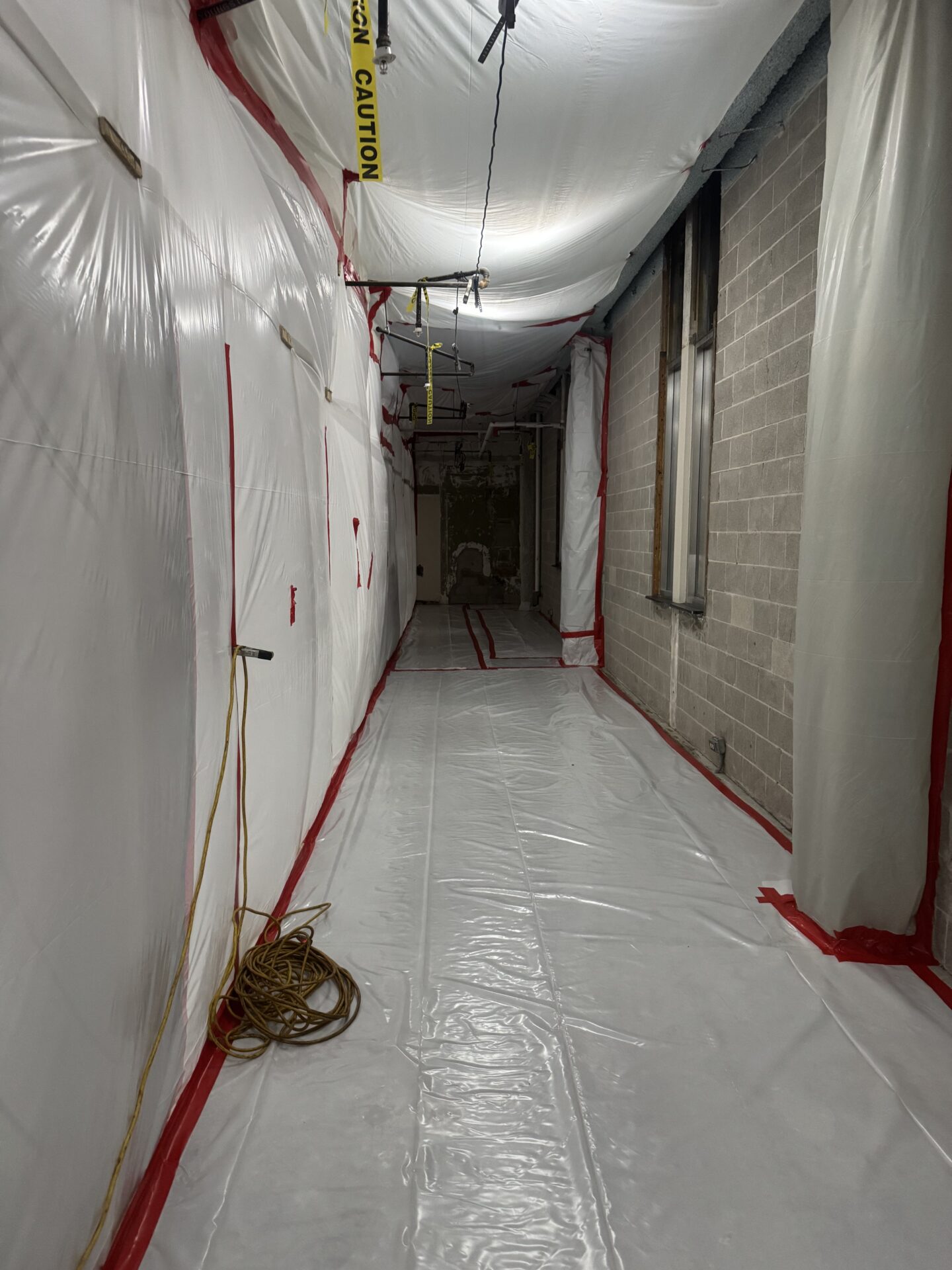
Step 5: Establish Containment
When mold contamination is present or suspected, containment may be used to separate the work zone from the rest of the building.
The type and extent of containment depend on the size of the affected area, the building’s use, the remediation plan, and the potential for contaminants to migrate.
Containment measures may include:
- Polyethylene barriers
- Sealed doors and openings
- Controlled entry points
- Decontamination areas
- Negative-air equipment
- HEPA-filtered air filtration devices
- Protected pathways for workers and waste
- Sealing or isolating HVAC openings
Containment is designed to keep dust and disturbed material from spreading into occupied or unaffected areas during removal and cleaning.
The building’s HVAC system must also be considered. If return-air pathways or ductwork connect the work area to other parts of the building, those pathways may require isolation before remediation begins.
Step 6: Remove Materials That Cannot Be Salvaged
Some water-damaged materials can be cleaned and dried. Others may need to be removed.
The decision depends on the type of material, the extent of contamination, how long it remained wet, and whether it can be accessed and dried thoroughly.
Potentially affected porous materials include:
- Drywall
- Ceiling tiles
- Insulation
- Carpet padding
- Upholstered materials
- Paper products
- Composite wood products
- Certain acoustic materials
Controlled removal is different from ordinary demolition. Workers must follow the containment and work procedures established for the project so contaminated dust and debris do not spread.
Materials are typically bagged, wrapped, or otherwise secured before being transported through the building. The removal route may be scheduled around building operations to reduce exposure and disruption.
EHC Industries also provides selective interior demolition, which can support projects requiring controlled access to damaged walls, ceilings, flooring, or building systems.
Step 7: Address Asbestos and Lead Before Disturbing Older Materials
Water damage frequently requires walls, ceilings, flooring, insulation, or coatings to be disturbed. In an older commercial property, those materials may contain asbestos or lead.
Potential asbestos-containing materials can include:
- Floor tile and adhesive
- Pipe insulation
- Sprayed-on fireproofing
- Ceiling materials
- Plaster
- Drywall compounds
- Mechanical insulation
- Roofing products
Lead may be present in painted structural steel, doors, windows, walls, railings, and other coated surfaces.
Before demolition or removal begins, the project team should determine whether hazardous building materials have been properly evaluated. Water damage does not eliminate the requirements and safety considerations associated with disturbing regulated materials.
When several hazards are present, coordinating asbestos abatement, lead remediation, mold remediation, and demolition under one organized plan can help prevent delays and conflicting work procedures.
Step 8: Clean Remaining Building Surfaces
Once unsalvageable materials have been removed, remaining surfaces within the remediation area are cleaned according to the project scope.
Cleaning methods may include:
- HEPA vacuuming
- Damp wiping
- Detailed cleaning of structural components
- Removal of surface debris
- Cleaning around penetrations and concealed spaces
- Repeated cleaning when necessary
- Air scrubbing with HEPA-filtered equipment
Mold remediation requires the physical removal of contamination. Simply spraying a product over visible growth or covering it with paint does not correct the moisture problem or remove contaminated material.
The work area must also remain organized throughout the project. Waste, tools, protective equipment, and cleaned materials should follow defined movement paths to prevent cross-contamination.
Step 9: Dry the Structure and Control Moisture
Cleaning and removal address contaminated materials, but the building must also be dried.
Drying equipment may include:
- Commercial dehumidifiers
- Air-moving equipment
- Temporary ventilation
- HEPA-filtered air scrubbers
- Supplemental heating
- Specialized drying systems
Equipment placement should be based on building conditions rather than simply filling the room with fans. Air movement that is introduced before proper containment or evaluation could spread contaminants from an affected area.
Moisture levels should be monitored throughout the drying period. The goal is not merely to make surfaces feel dry. The team needs evidence that remaining materials have reached an acceptable condition before new finishes are installed.
If reconstruction begins while moisture remains trapped in the assembly, the building could experience recurring odors, material failure, or renewed mold growth.
Step 10: Evaluate the HVAC System
Heating, ventilation, and air-conditioning systems deserve special attention after a commercial water loss.
Questions may include:
- Did water enter ductwork or air-handling equipment?
- Was the HVAC system operating during the incident?
- Did the affected area share returns with occupied spaces?
- Are insulation or filters wet?
- Could the system transport dust or odors?
- Should portions of the system remain isolated during remediation?
- Does the system require inspection or cleaning before it is restarted?
The appropriate HVAC response depends on the location and extent of the loss. A qualified mechanical or indoor environmental professional may need to evaluate the system.
Restarting affected equipment without an assessment could distribute contaminants to areas that were not originally involved.
Step 11: Conduct Post-Remediation Evaluation
Before containment is removed and reconstruction begins, the completed work should be evaluated.
Depending on the project, this may include:
- A visual inspection
- Confirmation that affected materials were removed
- Review of cleaning completeness
- Moisture measurements
- Verification that no visible dust or debris remains
- Air or surface sampling when specified
- Review of project documentation
An independent environmental consultant may perform post-remediation verification when required by the project plan, owner, insurer, or other stakeholder.
The objective is to confirm that the remediation scope was completed and the area is ready for the next phase. Testing alone should not substitute for a thorough visual and moisture assessment.
Step 12: Coordinate the Restoration Handoff
After remediation is complete, the property can move into restoration or reconstruction.
The handoff should clearly identify:
- Which materials were removed
- Which areas were cleaned
- Final moisture conditions
- Remaining repair requirements
- HVAC or mechanical recommendations
- Areas that remain restricted
- Documentation provided to the owner
- Conditions that should be monitored
Replacement materials should not conceal unresolved leaks, damp assemblies, or unverified cavities.
A well-managed handoff allows the reconstruction team to begin with a clear understanding of what occurred and what remains to be completed.
Can a Commercial Building Stay Open During Mold Remediation?
In some cases, portions of a commercial building can remain occupied while remediation occurs. In other cases, affected rooms, floors, or entire facilities may need to close temporarily.
The decision depends on:
- The size and location of the affected area
- The severity of the water loss
- The type of contamination
- The building’s HVAC configuration
- Access routes
- Noise and equipment requirements
- The sensitivity of the occupants
- The ability to maintain effective containment
- Applicable environmental and safety recommendations
Schools, healthcare facilities, senior-living communities, and properties serving medically vulnerable occupants may require additional planning.
When continued occupancy is appropriate, the project may use phased work areas, temporary barriers, off-hours scheduling, controlled access, and designated waste routes.
EHC Industries has experience coordinating environmental work in occupied and operational facilities. Careful scheduling and communication can help reduce disruption without compromising the requirements of the remediation plan.
Common Mistakes After a Commercial Water Loss
Waiting for Mold to Become Visible
Mold may grow inside wall cavities, beneath flooring, above ceilings, or behind equipment before it becomes visible. Moisture assessment should begin promptly rather than waiting for stains or odors.
Drying Only the Surface
A wall or floor can feel dry while moisture remains underneath or behind it. Professional moisture readings provide better information than touch alone.
Turning on Fans Without Evaluating the Area
Uncontrolled air movement can spread dust, odors, or mold spores. The area should be evaluated before drying equipment is installed.
Covering Stains With Paint
Painting over discoloration does not remove contamination or resolve the moisture source.
Rebuilding Too Early
Installing new drywall, flooring, or insulation over damp materials can trap moisture and create another problem.
Ignoring the HVAC System
Air-handling equipment and shared returns can affect areas beyond the original water loss.
Beginning Demolition Without a Hazardous-Material Assessment
Older finishes and building systems may contain asbestos or lead. These hazards should be addressed before materials are disturbed.
Failing to Keep Records
Without photographs, moisture logs, work records, and completion documentation, it may be difficult to confirm what was affected and how the loss was resolved.
How Facility Managers Can Prepare Before a Water Emergency
A written water-loss response plan can save valuable time during an emergency.
The plan should identify:
- Main water shutoff locations
- Electrical shutoff procedures
- Emergency contacts
- Plumbing and roofing contractors
- Environmental consultants
- Remediation contractors
- Insurance contacts
- Building engineers
- After-hours access procedures
- Tenant-notification responsibilities
- Critical equipment and records
- Temporary relocation options
- Building plans and hazardous-material surveys
The organization should also know who can authorize emergency work and how vendors will enter the property after normal business hours.
Preparing these details before an incident allows the response team to focus on controlling the damage rather than searching for basic information.
Emergency Mold Remediation in Chicago and the Midwest
A commercial water loss can affect far more than the room where the leak was discovered. Moisture may travel into concealed assemblies, interrupt operations, damage valuable materials, and create conditions that support mold growth.
A successful response requires more than removing visible water. It requires coordinated assessment, containment, controlled material removal, cleaning, drying, verification, and documentation.
EHC Industries provides professional mold-remediation services for commercial, industrial, institutional, and residential properties throughout Chicago, Illinois, Indiana, and Wisconsin. Our team can help contain and mitigate mold contamination while coordinating related environmental removal and selective-demolition needs.
If your facility has experienced a pipe failure, roof leak, flooding event, sprinkler discharge, or another source of water intrusion, contact EHC Industries to discuss the affected area and the appropriate next steps.
Contact EHC Industries or call (847) 526-9515 to request an assessment.
Frequently Asked Questions
How quickly can mold grow after commercial water damage?
Mold can begin developing when susceptible materials remain damp. The EPA recommends drying water-damaged areas and items within approximately 24 to 48 hours whenever possible. Actual conditions vary depending on temperature, humidity, materials, airflow, and the extent of the water intrusion.
Does every commercial water loss require mold remediation?
No. If the source is controlled quickly and affected materials are thoroughly dried, full mold remediation may not be necessary. An assessment can determine whether mold growth is present or suspected and whether materials can be cleaned, dried, or must be removed.
Can occupants remain in the building during remediation?
Possibly. Continued occupancy depends on the location and extent of the damage, building use, HVAC configuration, containment plan, and sensitivity of the occupants. The project team may recommend closing only the affected area or temporarily relocating occupants.
Can wet drywall, carpet, and ceiling tiles be saved?
It depends on the material, type of water, length of exposure, and ability to dry and clean it completely. Some nonporous or semi-porous materials may be salvageable, while contaminated porous materials may require removal.
Who determines whether mold remediation is complete?
Completion may be evaluated through visual inspection, moisture measurements, review of the remediation scope, and testing when specified. On appropriate projects, an independent environmental consultant performs post-remediation verification before containment is removed or reconstruction begins.