


Mold problems in commercial buildings often begin long before they become visible. By the time discoloration appears on walls or employees begin reporting indoor air quality concerns, mold growth may already be spreading behind building materials, above ceiling systems, or within HVAC components.
For commercial property owners, facility managers, property management companies, and building operators, identifying mold issues early is critical. Left untreated, mold can damage building materials, impact indoor air quality, create liability concerns, and disrupt business operations.
Understanding the warning signs of mold growth can help decision-makers address issues before they become larger and more expensive problems.
Why Mold Is a Serious Concern for Commercial Properties
Unlike minor surface mildew that can sometimes be cleaned easily, commercial mold problems often indicate an underlying moisture issue that continues to support growth.
Mold thrives in environments where moisture, humidity, and organic materials are present. Common sources include:
- Roof leaks
- Plumbing failures
- Flooding events
- HVAC condensation
- Poor ventilation
- Building envelope issues
Without correcting both the mold and the moisture source, the problem often returns and continues to spread.
Unexplained Musty Odors Throughout the Building
One of the earliest warning signs of mold growth is a persistent musty odor.
Many building occupants notice the smell before visible mold is discovered. These odors often become stronger in:
Mechanical Rooms
HVAC systems and moisture accumulation can create ideal conditions for mold growth.
Storage Areas
Limited airflow and higher humidity levels frequently contribute to hidden mold problems.
Basements and Lower Levels
Groundwater intrusion and poor ventilation can increase moisture levels in below-grade spaces.
Vacant Tenant Suites
Unoccupied areas may go unnoticed for extended periods, allowing mold growth to develop undetected.
If a musty smell persists despite cleaning efforts, professional evaluation may be necessary.
Visible Water Damage or Staining
Water intrusion is one of the leading causes of commercial mold growth.
Building owners should investigate any signs of:
Ceiling Stains
Roof leaks and HVAC issues often create moisture conditions that support mold growth above ceiling systems.
Wall Discoloration
Water entering through windows, exterior walls, or plumbing systems can create hidden mold colonies within wall cavities.
Flooring Damage
Warped flooring, staining, or soft spots may indicate moisture issues beneath finished surfaces.
Recurring Water Intrusion
Areas with repeated leaks are especially vulnerable to mold development.
Visible water damage often serves as an early warning sign that further investigation is needed.
Occupant Complaints About Indoor Air Quality
Many commercial mold issues are first identified through occupant concerns.
Employees, tenants, visitors, or customers may report:
- Persistent odors
- Air quality concerns
- Increased allergy symptoms
- Irritated eyes or throat
- Respiratory discomfort
While indoor air quality issues can have multiple causes, mold growth is often a contributing factor that should not be overlooked.
Facility managers should take recurring complaints seriously and investigate potential environmental causes.
Mold Growth Around HVAC Systems
Commercial HVAC systems can contribute to mold problems when moisture accumulates within the system.
Condensation Issues
Cooling systems naturally generate condensation, which can create moisture problems when drainage systems fail.
Dirty Ductwork
Dust and organic materials within HVAC systems can provide food sources for mold growth.
Poor Ventilation
Inadequate airflow can increase humidity levels and create favorable conditions for mold development.
Air Distribution Concerns
HVAC systems can also spread mold spores throughout a building if contamination is present within the system.
Routine inspections and maintenance help reduce these risks.
Recurring Mold Problems After Cleanup
One of the clearest signs that professional remediation is needed is mold that repeatedly returns after cleaning.
Many property owners attempt to address mold using surface cleaning products. While this may temporarily improve appearance, it often fails to eliminate the underlying cause.
Common reasons mold returns include:
- Hidden moisture sources
- Mold behind walls
- Contaminated insulation
- HVAC contamination
- Incomplete removal procedures
Professional remediation addresses both the visible growth and the conditions supporting it.
High-Risk Areas in Commercial Buildings
Certain areas of commercial properties are more susceptible to mold growth than others.
Office Buildings
Break rooms, restrooms, and mechanical spaces often experience hidden moisture issues.
Healthcare Facilities
Strict indoor air quality requirements make mold prevention especially important.
Educational Facilities
Schools and universities frequently contain aging infrastructure that can contribute to moisture intrusion.
Industrial and Warehouse Facilities
Roof leaks, humidity, and limited climate control can create favorable conditions for mold growth.
Regular inspections can help identify problems before they become widespread.
The Risks of Delaying Mold Remediation
Many building owners delay remediation because the visible mold appears minor or isolated.
Unfortunately, mold growth often extends beyond what is immediately visible.
Potential consequences of delaying remediation include:
Increased Property Damage
Mold can deteriorate drywall, insulation, ceiling systems, flooring, and other building materials.
Tenant Complaints
Indoor air quality concerns can negatively impact tenant satisfaction and retention.
Operational Disruptions
Significant mold contamination may require temporary closures or restricted access to portions of a facility.
Liability Exposure
Building owners have a responsibility to address environmental conditions that may impact occupants.
Addressing mold early is often the most cost-effective approach.
What Professional Mold Remediation Involves
Professional remediation goes beyond surface cleaning.
A qualified remediation contractor typically performs:
Moisture Investigation
Identifying the source of moisture is essential for long-term success.
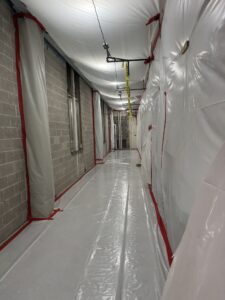
Containment Procedures
Affected areas are isolated to prevent contamination from spreading.
Removal of Impacted Materials
Contaminated materials may need to be removed and replaced.
Cleaning and Air Filtration
Specialized equipment helps remove mold spores from affected environments.
Verification and Prevention
The goal is to create conditions that discourage future mold growth.
This comprehensive approach helps ensure the issue is resolved properly.
Commercial Mold Remediation Services in Chicago
Mold problems can quickly escalate from a minor maintenance concern to a major operational challenge. Early detection and professional remediation help protect occupants, preserve property value, and minimize disruptions.
At EHC Industries, we work with commercial property owners, facility managers, schools, healthcare facilities, industrial operators, and developers throughout the Chicago area to identify and remediate mold issues safely and effectively.
Whether you’re responding to a recent water intrusion event or investigating ongoing indoor air quality concerns, our team can help develop a remediation strategy tailored to your facility.
Frequently Asked Questions About Commercial Mold Remediation
What are the first signs of mold in a commercial building?
Musty odors, water stains, occupant complaints, and visible discoloration are among the most common early warning signs.
Can mold grow behind walls and ceilings?
Yes. Mold frequently develops in concealed spaces where moisture is present but not immediately visible.
Why does mold keep returning after cleaning?
Surface cleaning often fails to address the underlying moisture source or hidden contamination, allowing mold to return.
How does mold affect commercial buildings?
Mold can damage building materials, impact indoor air quality, create occupant concerns, and increase liability exposure.
When should I call a professional mold remediation company?
Professional remediation is recommended whenever mold growth is widespread, recurring, associated with water damage, or impacting building occupants.