

Mold in commercial buildings is more than just an unsightly problem, it poses serious health risks, threatens indoor air quality, and can damage building materials and systems. For property managers in Chicago, understanding what mold remediation involves and when to act is essential for protecting occupants, minimizing liability, and preserving the value of your asset.
In this guide, we’ll walk through the key things you need to know about commercial mold remediation, from identifying issues to professional remediation best practices.
What Is Mold Remediation?
Mold remediation is the process of professionally identifying, containing, and safely removing mold growth to restore a property to a healthy condition. Unlike basic cleaning or DIY attempts, remediation addresses both the visible mold and the underlying causes — such as moisture intrusion, leaks, or high humidity — that allow it to grow and spread.
In commercial settings, this process typically includes:
Initial inspection and assessment
Source identification (moisture/condition that caused mold growth)
Containment of affected areas
Safe removal and disposal of mold-infested materials
Cleaning, treatment, and post-remediation verification
Why Mold Is a Serious Concern in Commercial Buildings
Commercial properties — especially those with HVAC systems, basements, storage areas, or aging infrastructure — can be especially vulnerable to mold growth. The impacts of mold may include:
Health Risks for Occupants
Mold spores can impair indoor air quality and trigger respiratory issues, allergies, and other health problems — particularly for sensitive individuals like employees with asthma or compromised immune systems.
Structural and Material Damage
Over time, mold breaks down porous and semi-porous materials like drywall, ceiling tiles, wood framing, and insulation. If left unaddressed, it can lead to costly repairs.
Legal and Liability Issues
Indoor environmental hazards that affect indoor air quality can expose property owners to tenant complaints, business interruption, and potential legal claims if problems are not properly mitigated and disclosed.
Common Causes of Mold in Commercial Properties
Before you can effectively remediate mold, it’s important to understand what causes it. In commercial buildings, typical triggers include:
Water intrusion through roofs, windows, or walls
Leaky plumbing or condensation issues
Flooding or moisture from weather events
HVAC leaks or poor ventilation
High humidity and stagnant air zones
Because mold thrives where moisture persists, property managers should prioritize moisture control and early detection.
How Professionals Approach Commercial Mold Remediation
Professional mold remediation goes far beyond simple surface cleaning. Reputable remediation teams follow a structured, standards-based process to ensure mold is removed effectively and safely — often guided by IICRC or industry best practices.
1. Thorough Inspection & Moisture Assessment
The first step is a complete inspection of the affected areas. Technicians identify all locations of mold growth and determine the extent of contamination. Moisture sources must also be evaluated to prevent recurrence.
2. Developing a Remediation Plan
A professional plan outlines containment procedures, removal steps, safety protocols, and cleanup strategies. Custom plans are critical because commercial spaces vary widely in use, size, and materials.
3. Containment and Airborne Spore Control
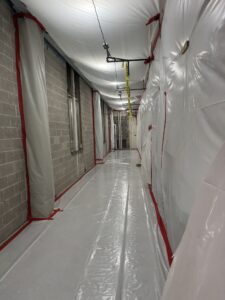
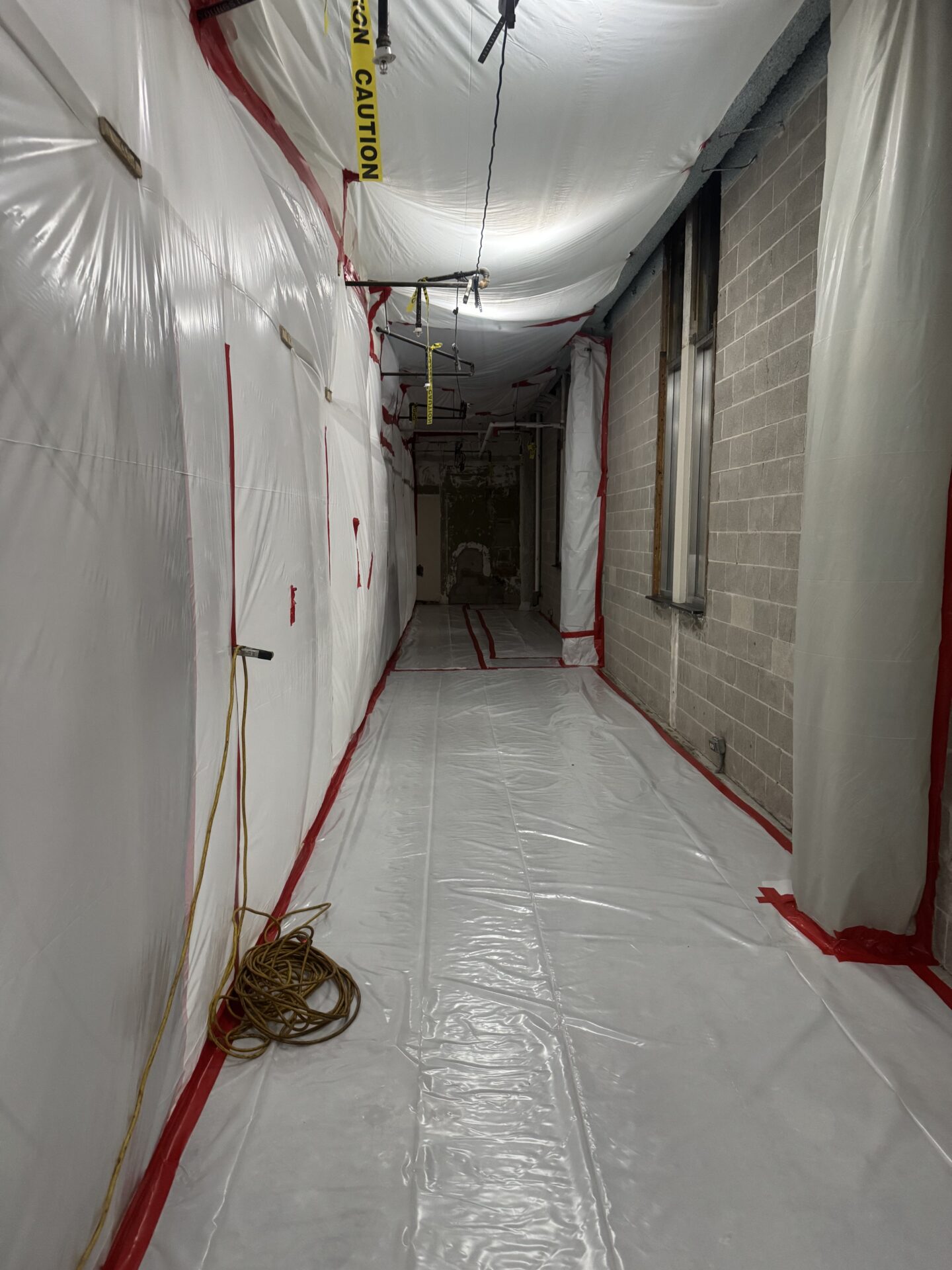
Containment systems — such as negative air machines, plastic barriers, and HVAC isolation — prevent mold spores from spreading beyond the affected space. HEPA filtration and negative pressure controls protect clean areas.
4. Mold Removal and Cleanup
Remediation includes:
Removing mold-infested materials that cannot be cleaned
Cleaning and treating affected surfaces
HEPA vacuuming and antimicrobial application to eliminate spores
Addressing structural elements to ensure no hidden growth remains
5. Final Verification and Clearance
After remediation, professionals typically perform a clearance inspection to confirm the area is safe and meets industry standards for air and surface quality.
When Commercial Properties Need Mold Remediation
While every property is unique, remediation services should be considered when:
Visible mold is present
Musty odors are detected
HVAC issues or water intrusion is ongoing
Tenants complain of health symptoms linked to air quality
Recent flooding or water damage occurred
Because mold can expand quickly and spread behind walls or above ceilings, early action is always best to reduce both health risks and repair costs.
Why Professional Remediation Matters
Property managers often ask: Why can’t we just clean surface mold ourselves?
The answer is that mold is not just a surface issue. Mold spores can be microscopic and airborne, and without proper containment and treatment, DIY approaches can:
Disturb spores and cause wider spread
Leave the moisture source unaddressed
Fail to meet health and safety standards
Professional remediation ensures the problem isn’t just “patched” but fully resolved, protecting occupants and assets.
Choosing the Right Commercial Remediation Partner
When selecting a remediation company, consider:
Certifications and Experience
Look for technicians trained in commercial remediation and mold handling standards — including containment and safety protocols.
Clear Process and Communication
Your remediation partner should explain each step, share timelines, and provide documentation of work completed.
Compliance with Local Regulations
Especially in Illinois and Chicago, commercial remediation work should meet regional safety and environmental requirements.
Preventing Mold After Remediation
After remediation, prevention is key:
Fix leaks and moisture issues promptly
Monitor humidity levels
Ensure proper ventilation and HVAC maintenance
Schedule regular professional inspections
These measures protect your building long after remediation is complete.
Final Thoughts
For commercial property managers in Chicago, mold remediation is a critical component of facility maintenance and tenant care. Understanding the risks, the professional process, and when to act can make all the difference in protecting your property and occupants.
If you suspect mold or want to develop a proactive plan, it’s best to consult a qualified, experienced remediation professional who can assess your property’s needs and provide tailored guidance.