

Discovering asbestos in a commercial building can be concerning, especially when a renovation, demolition, or tenant improvement project is already underway. However, asbestos-containing materials do not have to derail your project when they are properly identified and managed by qualified professionals.
Understanding the commercial asbestos abatement process helps property owners, facility managers, developers, and general contractors prepare for the work ahead. By knowing what to expect, stakeholders can better manage project timelines, maintain regulatory compliance, and protect workers and occupants throughout the process.
Whether asbestos is discovered during pre-construction testing or identified as part of a facility assessment, professional abatement plays a critical role in creating a safe environment for future construction activities.
Why Commercial Asbestos Abatement Is Necessary
Asbestos becomes hazardous when fibers are released into the air and inhaled. During renovation or demolition projects, disturbing asbestos-containing materials can create serious health risks for workers, building occupants, and surrounding areas.
Commercial asbestos abatement is designed to safely remove or manage asbestos-containing materials while preventing the release of airborne fibers.
Professional abatement helps:
- Protect occupant health
- Maintain regulatory compliance
- Prevent project shutdowns
- Reduce liability exposure
- Allow construction activities to proceed safely
For many commercial projects, abatement is a necessary step before demolition, remodeling, or major system upgrades can begin.
Step 1: Initial Site Assessment and Project Evaluation
Every asbestos abatement project begins with a thorough assessment of the building and affected materials.
Reviewing Inspection Reports
Abatement contractors review asbestos inspection results and laboratory findings to identify affected materials and determine the scope of work.
Evaluating Project Conditions
The project team assesses building occupancy, access points, mechanical systems, and construction schedules to develop an effective abatement strategy.
Defining the Scope of Work
Once asbestos-containing materials have been identified, the contractor outlines the removal procedures, containment requirements, project timeline, and safety protocols.
Proper planning during this phase helps minimize disruptions and improves overall project efficiency.
Step 2: Developing an Asbestos Abatement Plan
Before removal begins, a detailed abatement plan is developed to ensure compliance with applicable regulations and industry standards.
The plan typically addresses:
- Areas requiring abatement
- Containment procedures
- Worker protection measures
- Waste handling protocols
- Air monitoring requirements
- Clearance procedures
A comprehensive plan helps ensure that all work is completed safely and efficiently.
Step 3: Establishing Containment Areas
Containment is one of the most important components of the asbestos abatement process.
Isolating the Work Area
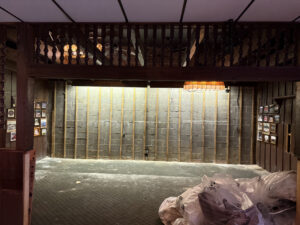
Specialized containment barriers are installed to separate the abatement area from occupied portions of the building.
Negative Air Systems
Negative air pressure systems are commonly used to prevent asbestos fibers from migrating outside the containment zone.
Restricted Access
Only authorized personnel equipped with appropriate protective equipment are permitted to enter active work areas.
These precautions help protect workers, occupants, and adjacent spaces throughout the project.
Step 4: Safe Removal of Asbestos-Containing Materials
Once containment is established, trained asbestos professionals begin the removal process.
Controlled Material Removal
Materials are carefully removed using specialized techniques designed to minimize fiber release.
Proper Handling Procedures
All asbestos-containing materials are handled according to strict safety protocols throughout the removal process.
Packaging and Disposal
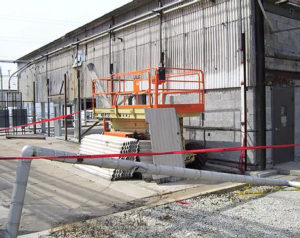
Removed materials are sealed, labeled, and transported to approved disposal facilities in accordance with regulatory requirements.
The goal is to eliminate asbestos hazards while maintaining a safe work environment.
Step 5: Air Monitoring and Environmental Controls
Air monitoring plays a critical role during commercial asbestos abatement projects.
Monitoring Fiber Levels
Air samples may be collected throughout the project to verify that containment measures remain effective.
Protecting Adjacent Areas
Continuous monitoring helps ensure that airborne asbestos fibers do not migrate beyond designated work zones.
Maintaining Compliance
Air monitoring documentation provides valuable records demonstrating that safety requirements were followed throughout the project.
These procedures help maintain confidence among building owners, contractors, and regulatory agencies.
Step 6: Final Cleaning and Clearance Testing
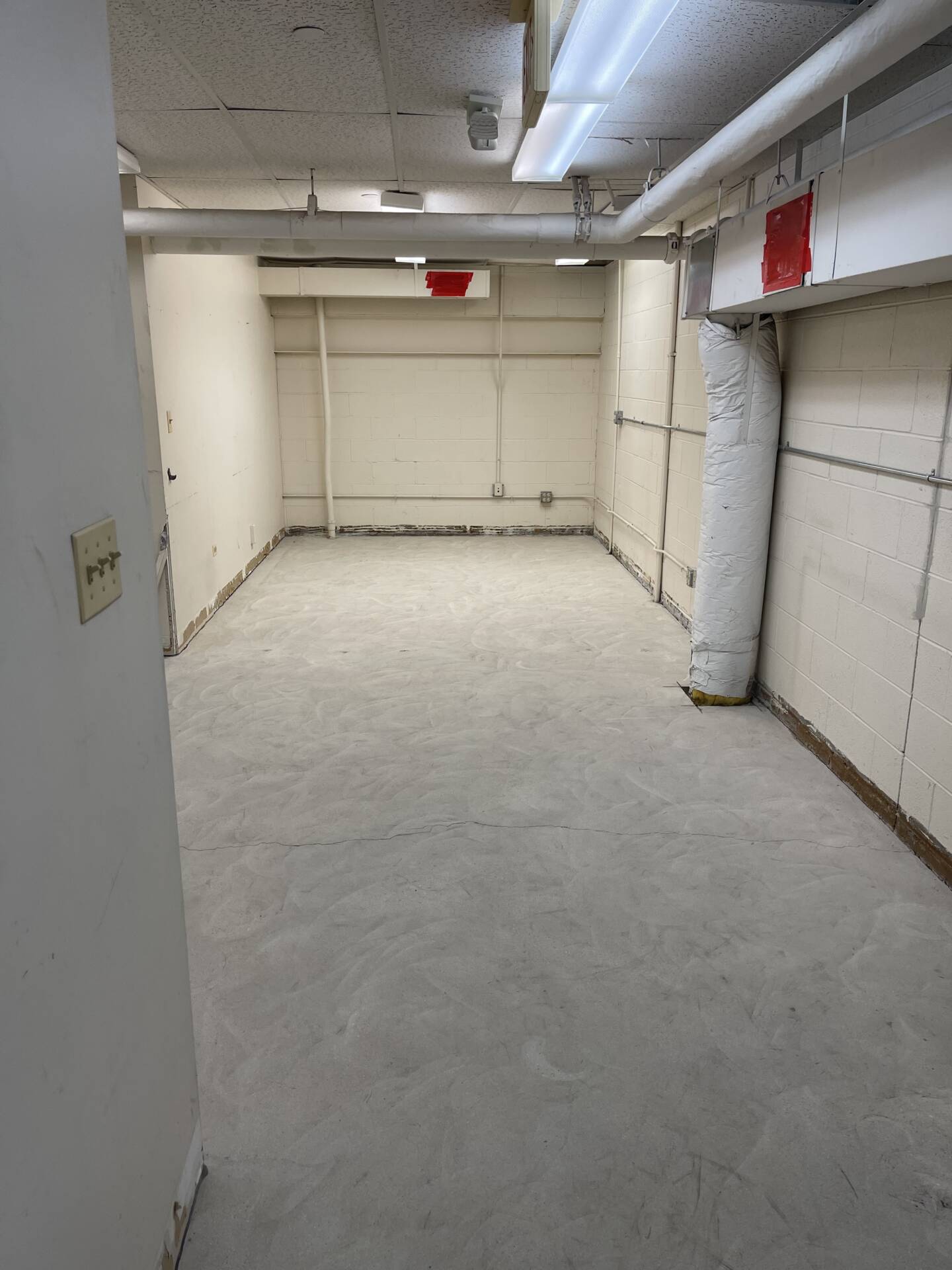
After all asbestos-containing materials have been removed, the work area undergoes extensive cleaning.
Detailed Surface Cleaning
Specialized cleaning procedures remove any remaining dust or debris from the containment area.
Visual Inspection
The project area is inspected to verify that asbestos-containing materials have been successfully removed.
Clearance Testing
Air testing and clearance inspections may be performed to confirm that the space is safe for re-occupancy and future construction activities.
Only after clearance requirements are satisfied is the project considered complete.
How Asbestos Abatement Impacts Commercial Project Timelines
One of the most common concerns among property owners and contractors is how asbestos abatement affects construction schedules.
The answer depends on several factors, including:
- Building size
- Material quantities
- Accessibility
- Occupancy status
- Regulatory requirements
When asbestos is identified early during project planning, abatement can often be incorporated into the construction schedule with minimal disruption.
Unexpected discoveries after demolition begins, however, can lead to significant delays and increased costs.
This is why pre-construction asbestos testing remains one of the most important steps in commercial project planning.
Choosing the Right Commercial Asbestos Abatement Contractor
Not all contractors are equipped to handle commercial asbestos projects.
When evaluating providers, property owners should look for:
Proper Licensing and Certifications
Qualified contractors should meet all applicable licensing and regulatory requirements.
Commercial Project Experience
Experience with occupied buildings, large-scale facilities, and complex abatement projects is essential.
Safety and Compliance Expertise
Strong safety programs and regulatory knowledge help minimize project risks.
Clear Communication
The best contractors keep project stakeholders informed throughout every phase of the abatement process.
Selecting an experienced contractor can significantly improve project outcomes.
Commercial Asbestos Abatement Services in Chicago
Commercial asbestos abatement is a critical component of many renovation, demolition, and redevelopment projects. Understanding the process helps property owners make informed decisions while protecting workers, occupants, and project schedules.
At EHC Industries, we help commercial clients throughout the Chicago area safely identify, remove, and manage asbestos-containing materials. Our team works closely with property owners, facility managers, and contractors to deliver compliant abatement solutions that support successful project completion.
Whether you’re preparing for a renovation, demolition, or facility upgrade, professional asbestos abatement helps ensure your project moves forward safely and efficiently.
Frequently Asked Questions About Commercial Asbestos Abatement
How long does a commercial asbestos abatement project take?
Project timelines vary depending on building size, material quantities, containment requirements, and overall project complexity.
Can a building remain occupied during asbestos abatement?
In some situations, portions of a building may remain occupied if proper containment and safety procedures are implemented.
Is asbestos abatement required before commercial demolition?
Many demolition projects require asbestos identification and removal before demolition activities can begin.
What happens to asbestos after it is removed?
Asbestos-containing materials are packaged, transported, and disposed of at approved facilities according to regulatory requirements.
Why is air monitoring important during asbestos abatement?
Air monitoring helps verify that containment measures are working effectively and that asbestos fibers are not spreading beyond the designated work area.