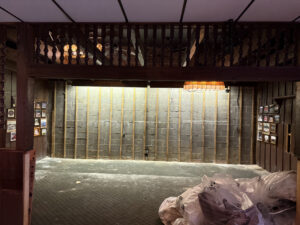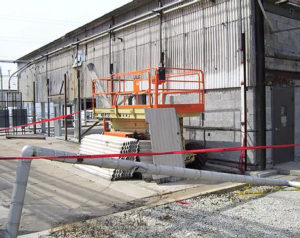

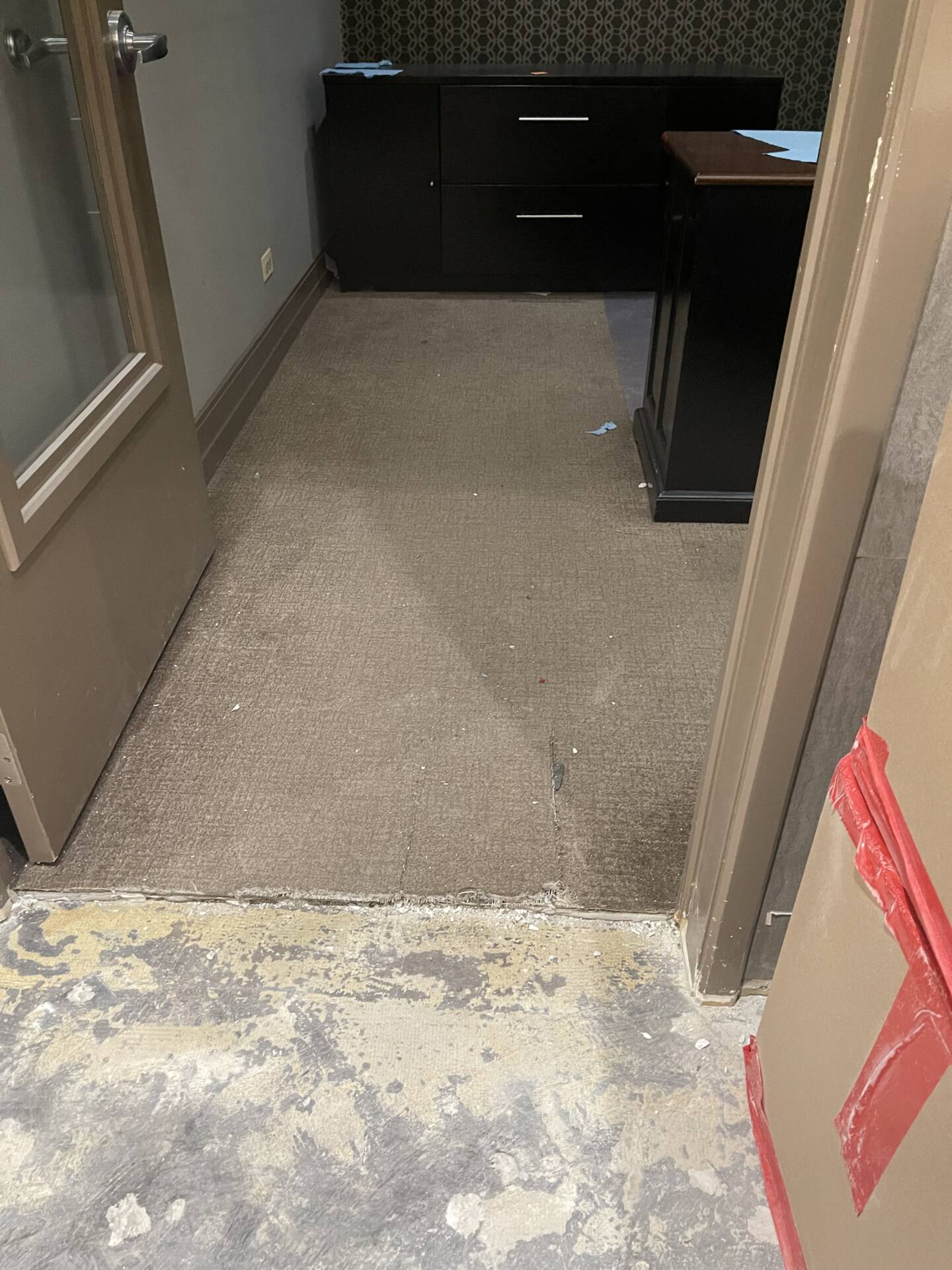

Renovating older commercial buildings requires more than standard demolition planning. Many structures built before 1978 contain lead-based paint, which introduces strict regulatory requirements before any demolition can begin.
When handled properly, lead paint removal and interior demolition can be coordinated efficiently and safely. When handled improperly, they can create serious compliance violations, worker exposure risks, and costly project delays.
For commercial property owners and facility managers throughout Chicago and surrounding suburbs, understanding how these two services work together is critical for successful renovations.
How Lead Paint Removal and Interior Demolition Work Together in Renovation Projects
Before walls come down or ceilings are removed, hazardous material assessments must take place. Lead testing is often one of the first steps in a commercial renovation project.
A proper lead paint removal and interior demolition workflow typically includes:
Lead inspection and testing
Containment setup
Certified lead abatement
Clearance testing
Controlled interior demolition
Skipping steps or sequencing them incorrectly can contaminate work areas and delay construction timelines.
OSHA & EPA Lead-Safe Requirements
Federal regulations require strict compliance when disturbing lead-based paint. OSHA standards are designed to protect workers from inhaling or ingesting lead particles, while EPA rules govern safe handling and disposal.
Key requirements include:
Worker respiratory protection
Containment barriers
Negative air systems
Specialized debris handling
Proper disposal documentation
Professional contractors trained in lead paint removal and interior demolition understand how to meet these standards while keeping projects on schedule.
Failure to comply can result in:
OSHA citations
Work stoppages
Contractor liability
Long-term worker health claims
Avoiding Cross-Contamination During Demolition
Interior demolition can easily spread contaminated dust if proper abatement is not completed first. This is especially concerning in occupied commercial buildings.
A safety-first approach ensures:
Isolated containment zones
HEPA filtration systems
Air monitoring during removal
Clean work transitions between abatement and demolition crews
By integrating lead paint removal and interior demolition under one coordinated plan, facility managers reduce confusion and maintain accountability.
Why One Contractor Should Handle Both Services
Hiring separate contractors for lead abatement and demolition can create communication gaps and scheduling conflicts.
When a single certified contractor manages both lead paint removal and interior demolition, you benefit from:
Unified project management
Clear compliance documentation
Reduced downtime
Lower overall project risk
Streamlined inspections and approvals
This integrated approach protects both the building and everyone working inside it.
Planning Renovations in Older Commercial Properties
If you’re building in Chicago, Naperville, Aurora, or Joliet was constructed before 1978, lead testing should be part of your renovation planning process.
Whether you are modernizing office space, upgrading industrial interiors, or preparing a property for new tenants, coordinating lead paint removal and interior demolition correctly ensures your project stays compliant and on track.
EHC Industries provides certified lead abatement and professional interior demolition services designed for commercial and industrial properties.
If you’re preparing for renovations, contact EHC Industries to develop a safe, compliant project plan.