

Lead exposure remains a serious concern in many commercial buildings, particularly those constructed before modern safety standards were established. While lead hazards are often associated with residential properties, commercial buildings face just as much risk, and often greater liability, when lead-containing materials deteriorate or are disturbed.
For property owners, facility managers, and developers, understanding when lead remediation is required is critical for protecting occupants, maintaining compliance, and avoiding costly delays during renovations.
What Is Lead Remediation?
Lead remediation is the process of safely removing, containing, or permanently stabilizing lead-based materials to eliminate exposure risks. In commercial properties, lead is most commonly found in:
Lead-based paint
Coatings on steel or concrete surfaces
Dust created from deteriorating materials
Soil around older buildings
Unlike simple maintenance or repainting, remediation must follow strict safety and disposal protocols to prevent contamination.
Why Lead Is a Serious Issue in Commercial Buildings
Lead exposure can pose health risks to employees, tenants, and visitors — particularly during renovations or maintenance work that disturbs lead-containing materials.
Health and Safety Risks
Inhalation or ingestion of lead dust can cause serious health issues, including neurological damage and long-term medical complications. While adults may show fewer immediate symptoms, prolonged exposure remains dangerous and legally actionable.
Regulatory and Liability Concerns
Commercial property owners are responsible for maintaining safe environments. Failure to properly address lead hazards can result in:
Regulatory violations
Work stoppages
Legal claims
Increased insurance exposure
Lead-related issues are often discovered during inspections, tenant complaints, or renovation planning, making proactive assessment essential.
Common Indicators That Lead Remediation May Be Needed
Not every building requires remediation, but several red flags should prompt further evaluation.
Building Age
Commercial properties built before 1978 are more likely to contain lead-based paint or coatings. Older industrial and manufacturing facilities may have additional exposure risks due to past construction practices.
Planned Renovations or Demolition
Any activity that disturbs painted surfaces, including demolition, sanding, cutting, or drilling — can release lead dust. Renovation projects frequently trigger mandatory testing and remediation requirements.
Deteriorating Paint or Surfaces
Peeling, chipping, or cracking paint increases the likelihood of lead contamination, especially in high-traffic or high-wear areas.
Environmental Testing Results
Lead hazards are often identified through:
Environmental site assessments
Renovation surveys
OSHA or safety inspections
If testing confirms lead presence above allowable thresholds, remediation becomes necessary.
When Lead Remediation Is Required in Commercial Settings
Lead remediation is typically required when:
Lead-containing materials are damaged or deteriorating
Renovation or demolition will disturb lead-based paint
Occupants may be exposed to lead dust or debris
Regulatory agencies mandate corrective action
In many cases, remediation must be completed before construction or tenant improvements can proceed.
The Professional Lead Remediation Process
Commercial lead remediation follows a structured, regulated process designed to protect both workers and building occupants.
1. Assessment and Planning
The process begins with identifying where lead is present and evaluating the level of risk. A remediation plan is then developed to outline safety measures, containment, and removal methods.
2. Containment and Safety Controls
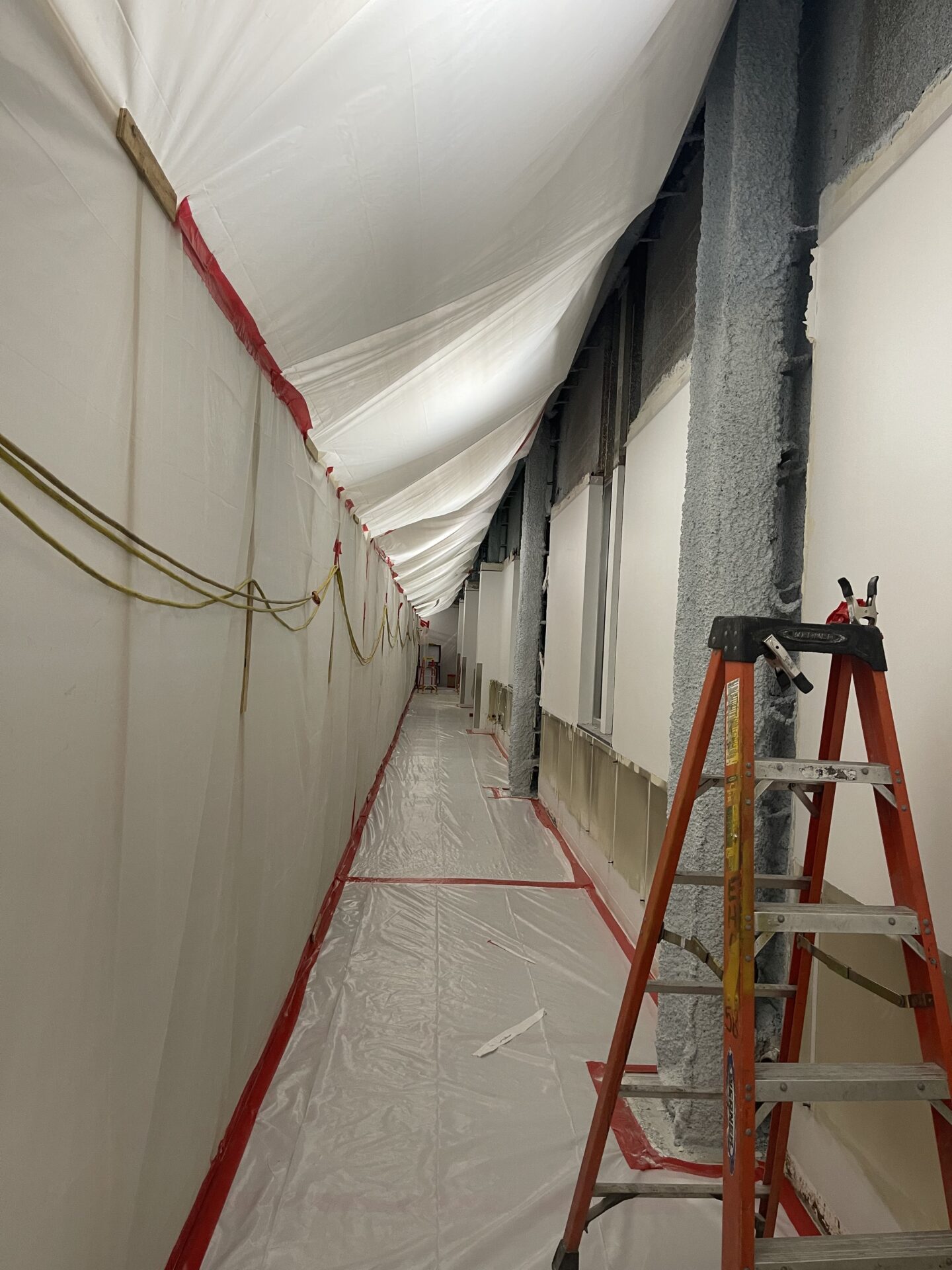
Containment systems prevent lead dust from spreading to unaffected areas. This may include:
Sealed work zones
Negative air pressure systems
HEPA filtration
Controlled access points
Workers use specialized PPE to prevent exposure.
3. Removal or Stabilization
Depending on the situation, remediation may involve:
Removing lead-containing materials entirely
Encapsulating surfaces to prevent exposure
Applying specialized coatings to stabilize lead
The approach depends on building use, material condition, and regulatory guidance.
4. Cleaning and Clearance
After remediation, the area is thoroughly cleaned using HEPA vacuums and wet methods. Clearance testing is often conducted to verify that lead levels are within acceptable limits.
Lead Remediation vs. Lead Abatement
These terms are often used interchangeably, but they are not the same.
Lead remediation addresses existing hazards and exposure risks
Lead abatement is a permanent solution that eliminates lead hazards entirely
Commercial projects often require remediation during renovations, while abatement may be necessary for long-term compliance or redevelopment.
Why Professional Lead Remediation Is Essential
Attempting to address lead hazards without licensed professionals can worsen contamination and create serious liability issues.
Professional remediation contractors provide:
Regulatory compliance
Proper containment and disposal
Documentation and clearance verification
Coordination with construction timelines
This ensures the project remains compliant and moves forward safely.
Preventing Lead Issues in Commercial Properties
After remediation, prevention plays a key role in long-term safety:
Regular inspections of painted surfaces
Prompt repair of damage or deterioration
Lead-safe work practices during maintenance
Planning ahead for renovations
These steps help reduce future exposure risks and unexpected project delays.
Final Thoughts
Lead remediation is a critical consideration for many commercial properties, especially older buildings undergoing renovation or redevelopment. Knowing when remediation is required, how the process works, and why professional execution matters can protect occupants, maintain compliance, and keep projects on schedule.
Addressing lead hazards proactively allows property owners and facility managers to move forward with confidence and avoid costly interruptions.