

When it comes to removing asbestos, lead, or other hazardous materials, proper disposal is just as important as the cleanup itself. Illinois has strict environmental laws to ensure these materials are handled safely from start to finish. Whether you’re managing a renovation, demolition, or remediation project, understanding hazardous material disposal in Illinois is key to staying compliant and protecting public health.
What Counts as Hazardous Material in Illinois?
In Illinois, hazardous materials include any substances that can pose risks to people or the environment if not properly managed. Common examples include asbestos, lead-based paint, contaminated soil, certain chemicals, and industrial waste.
These materials are often found in older Chicago buildings, especially those built before the 1980s. Renovations and demolitions can disturb them, releasing toxins into the air or soil. That’s why it’s essential to work with certified contractors who understand hazardous material disposal under Illinois regulations.
Learn about our Asbestos Removal Services →
Why Are There Strict Regulations for Disposal?
Hazardous materials don’t just disappear once removed—they need to be contained, transported, and disposed of at approved facilities. The Illinois Environmental Protection Agency (IEPA) regulates this process to prevent contamination of soil, groundwater, and air.
Contractors performing hazardous material disposal in Illinois must follow state and federal laws under the EPA’s Resource Conservation and Recovery Act (RCRA). This ensures all waste is tracked, documented, and safely delivered to authorized treatment or disposal sites.
Improper disposal can lead to serious legal consequences, including fines or criminal charges, making professional handling the safest and most responsible choice.
How Does the Hazardous Material Disposal Process Work?
Professional remediation companies like EHC Industries follow a structured approach to meet Illinois environmental standards. Here’s how hazardous material disposal in Illinois typically works:
Identification and Testing – Before removal, certified inspectors test materials to determine their type and classification.
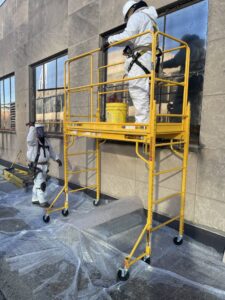
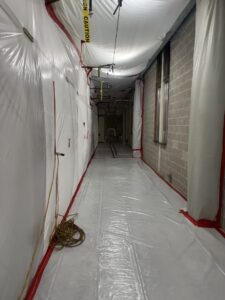
Containment and Removal – Licensed technicians safely remove the hazardous materials using specialized equipment and protective gear.
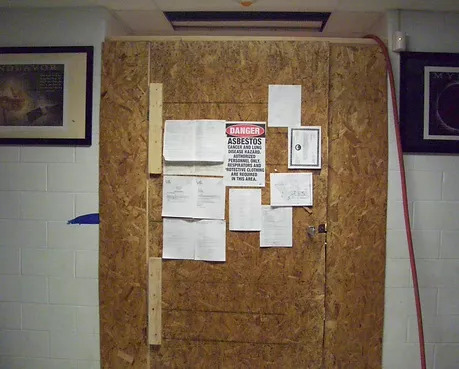
Packaging and Labeling – All waste is sealed in approved containers, clearly labeled with contents and hazard warnings.
Transportation – Materials are transported by licensed carriers to designated disposal facilities that meet IEPA and EPA requirements.
Documentation and Manifests – A detailed record, called a waste manifest, tracks the material from removal to final disposal.
This step-by-step process guarantees full compliance and traceability throughout the project.
What Affects the Cost of Hazardous Material Disposal?
The cost of hazardous material disposal in Illinois varies based on several factors, such as:
The type and quantity of hazardous material
The distance to an approved disposal facility
Packaging and transportation requirements
Testing and documentation fees
Project accessibility and containment needs
Because each site and material type differ, it’s best to schedule a professional inspection before estimating costs. EHC provides customized project assessments and detailed proposals outlining each step of the removal and disposal process.
What Happens If Hazardous Materials Are Disposed of Improperly?
Improper disposal of asbestos, lead, or other hazardous waste can lead to serious environmental damage and regulatory penalties. Property owners and contractors are both responsible for ensuring materials are handled correctly.
Common issues caused by illegal dumping or unlicensed disposal include groundwater contamination, air pollution, and public exposure to toxins. In addition to fines, violators may also face cleanup orders or legal liability for environmental harm.
Working with an experienced remediation contractor ensures your project meets all safety and documentation requirements from start to finish.
Explore our Lead Remediation Services →
Why Hire a Licensed Contractor for Hazardous Material Disposal in Illinois?
Only certified contractors are legally allowed to handle hazardous materials under Illinois regulations. They are trained to follow containment procedures, complete manifest paperwork, and ensure waste is disposed of at authorized facilities.
EHC Industries has decades of experience managing hazardous waste, from asbestos and lead paint to construction debris that requires special handling. Our team follows IEPA and EPA guidelines to ensure all materials are safely removed, transported, and documented according to state law.
Learn about our Interior Demolition Services →
Stay Compliant with Illinois Hazardous Material Disposal Regulations
If your renovation, demolition, or abatement project involves hazardous materials, don’t take chances with improper disposal. Contact EHC Industries to schedule a professional consultation. Our team ensures your project complies with all Illinois regulations while maintaining safety and environmental integrity at every step.