

Commercial interior demolition is a critical first step in many renovation, remodeling, and tenant-improvement projects. Whether you’re reconfiguring office space, preparing a retail build-out, or upgrading an industrial facility, interior demolition must be handled with precision, safety, and regulatory compliance in mind.
This guide explains what commercial property owners, facility managers, and contractors need to know about commercial interior demolition, including safety considerations, permitting requirements, and how professional coordination keeps projects on schedule and compliant.
What Is Commercial Interior Demolition?
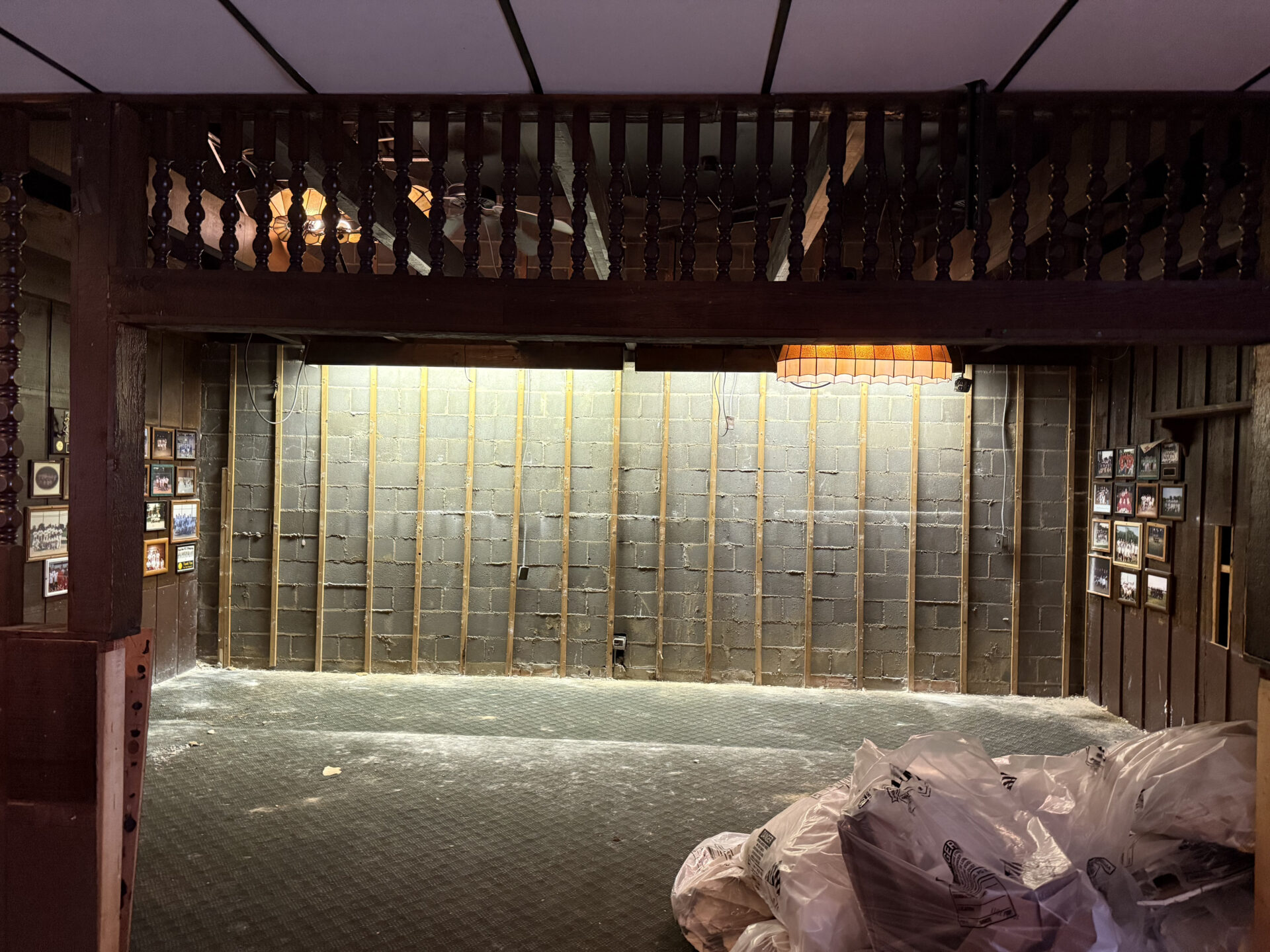
Commercial interior demolition involves the selective removal of interior components within an existing structure while preserving the building’s structural integrity. Unlike full building demolition, interior demolition focuses on removing non-load-bearing elements so new construction can move forward.
Typical demolition scopes include:
Walls and partitions
Ceilings and grid systems
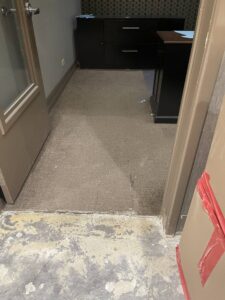
Flooring and subfloor materials
Mechanical, electrical, and plumbing (MEP) removals
Fixtures, cabinetry, and millwork
Commercial demolition projects are often performed in occupied or partially occupied buildings, making careful planning essential.
Why Commercial Interior Demolition Requires a Specialized Approach
Interior demolition in commercial settings carries more risk and complexity than residential projects. These environments often include larger footprints, shared utilities, multiple stakeholders, and strict safety regulations.
Safety and Occupant Protection
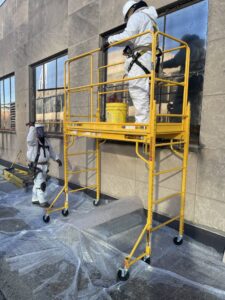
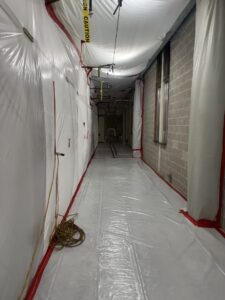
Dust, debris, and airborne contaminants can affect tenants, employees, and contractors if demolition is not properly contained. Professional demolition teams use dust control, containment barriers, and negative air systems to protect surrounding areas.
Structural Awareness
Commercial buildings often contain hidden systems, fireproofing materials, and load-bearing components. Improper removal can compromise safety or delay the project.
Regulatory Compliance
Commercial demolition must comply with local building codes, OSHA standards, and environmental regulations, particularly when hazardous materials may be present.
Common Reasons for Commercial Interior Demolition
Commercial interior demolition is typically required for:
Office renovations and reconfigurations
Retail tenant build-outs
Warehouse and industrial upgrades
Healthcare or laboratory remodels
Hospitality renovations
Adaptive reuse projects
In many cases, demolition is part of a larger construction or redevelopment plan and must be carefully sequenced with other trades.
Safety Considerations in Commercial Interior Demolition
Safety is one of the most important aspects of any demolition project.
Hazard Identification
Before work begins, professionals assess the space for potential hazards, including:
Asbestos-containing materials
Lead-based paints
Mold or moisture issues
Electrical and utility hazards
If hazardous materials are identified, they must be addressed by licensed specialists before demolition proceeds.
Dust and Debris Control
Commercial demolition teams implement measures such as:
Sealed containment zones
HEPA filtration and air scrubbers
Controlled debris removal and staging
Daily cleanup procedures
These controls help maintain indoor air quality and reduce risk to occupants.
Worker and Site Safety
Crews follow strict protocols for PPE usage, equipment operation, and site access to minimize accidents and disruptions.
Permitting Requirements for Commercial Interior Demolition
Most commercial interior demolition projects require permits, even when no structural elements are removed.
When Permits Are Required
Permits are typically needed when demolition involves:
Changes to walls or layouts
Removal of electrical, plumbing, or HVAC systems
Fire-rated assemblies or life safety systems
Occupancy changes or major renovations
Local municipalities often require permit approval before demolition can begin.
Coordination With Local Authorities
Professional demolition contractors handle:
Permit applications
Inspections and approvals
Documentation required for compliance
This ensures work proceeds legally and avoids costly project delays.
Project Coordination and Scheduling
Commercial interior demolition is rarely a standalone task. It must be coordinated with multiple stakeholders and phases of construction.
Coordination With General Contractors
Demolition schedules must align with construction timelines to ensure smooth transitions between phases. Delays in demolition can ripple through the entire project.
Working in Occupied Buildings
When buildings remain operational, demolition teams may:
Work during off-hours or weekends
Phase demolition by area
Coordinate with property management to minimize disruption
This flexibility is critical in office, retail, and healthcare environments.
Utility Shutoffs and Reinstatement
Temporary shutdowns of power, water, or HVAC systems must be carefully planned and communicated to avoid downtime for tenants or operations.
Environmental and Waste Management Considerations
Commercial demolition generates significant debris that must be handled responsibly.
Material Segregation and Disposal
Professional contractors separate materials for proper disposal or recycling, including:
Metals
Concrete and masonry
Wood and drywall
Fixtures and equipment
Proper waste management supports sustainability goals and regulatory compliance.
Documentation and Reporting
Many commercial projects require documentation of waste handling and disposal methods, particularly for regulated materials.
Why Hire a Professional Commercial Interior Demolition Contractor?
Attempting to manage interior demolition without experienced professionals can lead to safety issues, compliance violations, and costly delays.
A qualified commercial demolition contractor provides:
Trained crews and specialized equipment
Safety planning and hazard mitigation
Permit coordination and inspections
Reliable scheduling and communication
Clean, controlled demolition execution
This expertise allows property owners and project managers to focus on the larger renovation goals.
Preparing for the Next Phase of Construction
Successful interior demolition sets the foundation for everything that follows. Clean demolition, proper removal, and careful coordination allow new construction to begin without unexpected obstacles.
When demolition is done correctly, projects move faster, budgets stay controlled, and safety risks are minimized.
Final Thoughts
Commercial interior demolition is a complex but essential step in modern renovation and redevelopment projects. From safety and permitting to coordination and cleanup, the process requires experience, planning, and attention to detail.
For property owners, facility managers, and contractors, partnering with a professional demolition team ensures the project starts on solid ground and stays compliant from day one.