

Asbestos remains one of the most regulated and high-risk materials found in older commercial buildings throughout Chicago and the surrounding suburbs. While asbestos use was banned decades ago, many commercial properties, including offices, schools, industrial facilities, and healthcare buildings, still contain asbestos-containing materials that pose serious health and legal risks if disturbed.
For property owners, facility managers, and developers, understanding when asbestos abatement is required and why licensed professionals are essential is critical to maintaining compliance and protecting occupants.
What Is Commercial Asbestos Abatement?
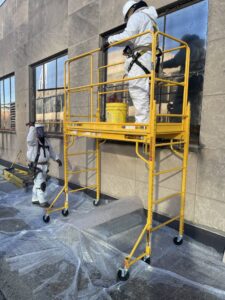
Commercial asbestos abatement is the professional process of identifying, containing, and safely removing or encapsulating asbestos-containing materials (ACMs) from a building. Unlike basic removal work, abatement follows strict federal, state, and local regulations to prevent airborne asbestos fibers from spreading.
Asbestos is commonly found in older commercial buildings in materials such as:
Pipe insulation and boiler coverings
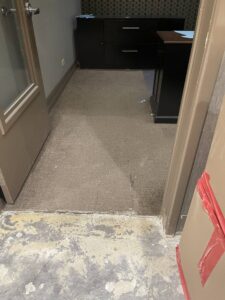
Floor tiles and mastic
Ceiling tiles and spray-applied fireproofing
Roofing materials and siding
Joint compounds and wall systems
Because asbestos fibers are microscopic and hazardous when airborne, abatement must be performed using specialized methods and controls.
Why Asbestos Is a Serious Risk in Commercial Properties
Health Risks to Occupants and Workers
When asbestos-containing materials are disturbed, fibers can become airborne and inhaled. Prolonged exposure is linked to serious illnesses, including lung disease and cancer. These risks are amplified in commercial buildings with high occupancy or ongoing construction activity.
Legal and Regulatory Liability
Asbestos handling is heavily regulated. Failure to properly manage or remove asbestos can result in:
Regulatory fines and violations
Project shutdowns
Worker safety claims
Long-term liability exposure
Commercial property owners are responsible for ensuring that asbestos is properly identified and managed before renovation or demolition work begins.
When Commercial Asbestos Abatement Is Required
Asbestos abatement is typically required when:
Renovation or demolition will disturb asbestos-containing materials
Materials are deteriorating and releasing fibers
Asbestos is discovered during inspections or surveys
Regulatory agencies mandate corrective action
In Chicago and throughout Illinois, asbestos surveys are often required before construction permits are issued for older buildings.
The Importance of Licensed Asbestos Abatement Contractors
Asbestos abatement is not standard demolition or cleanup work. Only licensed professionals are authorized to perform this type of removal.
Specialized Training and Certification
Licensed asbestos contractors are trained to:
Identify asbestos-containing materials
Use approved containment and removal techniques
Protect workers and occupants
Follow strict disposal and documentation requirements
This training ensures that abatement work meets regulatory standards and protects public health.
Proper Containment and Air Control
Professional abatement teams use:
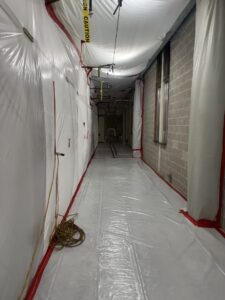
Sealed containment zones
Negative air pressure systems
HEPA filtration
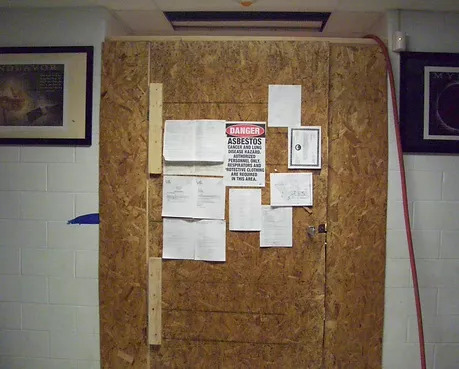
Controlled entry and exit procedures
These controls prevent fibers from spreading to unaffected areas of the building.
Compliance With Local and Federal Regulations
Licensed contractors handle:
Notifications to regulatory agencies
Permit coordination
Air monitoring and clearance testing
Proper disposal of asbestos waste
This documentation is critical for compliance, inspections, and future property transactions.
The Commercial Asbestos Abatement Process
1. Inspection and Survey
The process begins with an asbestos survey to determine where ACMs are present and how they may be affected by planned work.
2. Abatement Planning
A detailed abatement plan outlines:
Containment methods
Removal or encapsulation approach
Safety procedures
Project timeline
Commercial buildings often require phased abatement to minimize disruption.
3. Containment and Removal
During abatement:
Work areas are sealed off
Negative air machines maintain airflow control
Materials are carefully removed or stabilized
Waste is double-bagged and labeled for disposal
All work is performed using strict safety protocols.
4. Clearance and Verification
After removal, the area is cleaned and inspected. Clearance testing confirms that asbestos levels are within acceptable limits before the space can be reoccupied or construction can continue.
Asbestos Abatement vs. Asbestos Encapsulation
Not all situations require full removal.
Abatement (removal) permanently eliminates asbestos hazards
Encapsulation seals asbestos materials to prevent fiber release
The correct approach depends on material condition, building use, and renovation plans. Licensed professionals can recommend the safest and most cost-effective solution.
How Asbestos Abatement Impacts Construction and Renovation Projects
Failing to address asbestos early can cause major project delays.
Proper abatement:
Prevents work stoppages
Protects contractors and occupants
Keeps projects compliant
Allows renovations to proceed safely
Early planning helps integrate abatement into construction schedules and budgets.
Why DIY or Unlicensed Removal Is Dangerous
Attempting to remove asbestos without proper licensing can:
Release fibers throughout the building
Increase exposure risks
Violate safety regulations
Create long-term liability
Commercial asbestos abatement must always be handled by qualified professionals to avoid serious consequences.
Choosing the Right Commercial Asbestos Abatement Partner
When selecting an abatement contractor, look for:
Proper licensing and certifications
Experience with commercial and industrial projects
Clear communication and documentation
Coordination with other trades and project managers
A reliable abatement partner helps protect both people and project timelines.
Final Thoughts
Licensed commercial asbestos abatement is not optional — it is a critical step in maintaining safe, compliant buildings throughout Chicago. From health protection to regulatory compliance, proper abatement safeguards occupants, workers, and property owners alike.
For commercial projects involving older buildings, proactive asbestos identification and professional abatement ensure renovations and redevelopment can move forward safely and without costly delays.