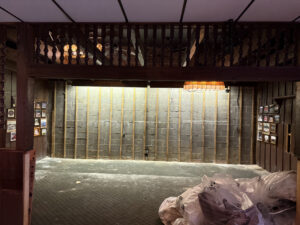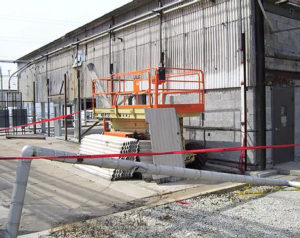


Many older commercial and industrial buildings throughout Chicago still contain lead-based paint beneath existing coatings, on structural surfaces, or within original building materials. Before regulations restricted its use, lead paint was widely applied because of its durability and resistance to moisture and corrosion.
Today, lead paint can create major concerns during renovation, demolition, remodeling, and facility maintenance projects. Property owners, contractors, and facility managers often ask how commercial lead paint removal works and when professional remediation is necessary before construction begins.
Understanding the risks associated with lead-based paint and how professional removal is handled can help businesses maintain safer work environments while supporting regulatory compliance during renovation projects.
Why Lead Paint Is Common in Older Commercial Properties
Lead-based paint was commonly used in commercial, industrial, and institutional buildings for decades, especially before the late 1970s. Many older properties throughout Chicago may still contain layers of lead paint beneath newer coatings.
Commercial buildings commonly associated with lead paint include:
- Industrial facilities
- Warehouses
- Schools
- Hospitals
- Government buildings
- Apartment buildings
- Manufacturing plants
- Older office spaces
Even if surfaces appear updated, lead paint may still exist underneath existing materials.
Where Lead-Based Paint Is Often Found
Lead paint may be present in multiple areas throughout a commercial building.
Walls and Ceilings
Older painted drywall, plaster, and ceiling systems may contain lead-based coatings beneath newer paint layers. During demolition or renovation, disturbing these surfaces can release hazardous dust particles.
Structural Steel and Industrial Surfaces
Industrial and commercial facilities often used lead-based coatings on exposed steel structures to reduce corrosion and wear.
Lead paint may still be found on:
- Structural beams
- Pipes
- Mechanical systems
- Industrial equipment
- Warehouse framing
These surfaces require specialized remediation procedures during renovation or demolition projects.
Doors, Windows, and Trim
Older wood and metal trim components are another common source of lead-based paint contamination.
High-friction areas such as:
- Windows
- Door frames
- Railings
- Stair systems
may generate lead dust over time as painted surfaces deteriorate.
Why Lead Paint Disturbance Can Create Safety Risks
Lead paint becomes especially hazardous when it is disturbed during:
- Sanding
- Cutting
- Demolition
- Surface preparation
- Renovation work
These activities can release lead-contaminated dust and debris into the surrounding environment.
Without proper containment and remediation procedures, lead exposure can affect:
- Workers
- Building occupants
- Contractors
- Adjacent occupied spaces
Because of these risks, lead-safe work practices and professional remediation are often required before construction projects move forward.
What Happens During Lead Paint Testing?
Before lead paint removal begins, environmental professionals typically perform inspections and testing to identify the location and condition of lead-containing materials.
Lead inspections may include:
- Surface testing
- Paint chip sampling
- XRF testing
- Laboratory analysis
- Risk assessments
Testing helps determine whether lead is present and what remediation methods may be necessary for the project.
How Professional Lead Paint Removal Works
Commercial lead paint removal involves carefully containing affected areas and using approved remediation methods to minimize contamination risks.
Depending on the project, remediation may include:
- Containment barriers
- Negative air systems
- HEPA filtration
- Surface stabilization
- Paint removal
- Encapsulation
- Component removal
- Specialized cleaning procedures
The appropriate remediation approach depends on the condition of the materials, building occupancy, and the scope of renovation work being performed.
Why Containment and Compliance Matter
Commercial lead remediation projects must follow strict environmental and safety regulations to protect workers and building occupants.
Professional lead paint removal contractors help manage:
- Dust containment
- Air quality protection
- Waste disposal
- OSHA compliance
- EPA regulations
- Worker safety procedures
Proper planning and containment are especially important in occupied commercial buildings where businesses may continue operating during portions of the project.
Commercial Lead Paint Removal Services in Chicago
EHC Industries provides commercial lead paint removal, asbestos abatement, mold remediation, interior demolition, and environmental remediation services throughout Chicago and surrounding areas. Our team works with commercial property owners, industrial facilities, contractors, schools, healthcare facilities, and businesses to safely identify and remediate hazardous building materials before renovation or demolition projects begin.
Whether your property requires lead testing, lead paint remediation, environmental inspections, or demolition support, our team can help you maintain a safer and compliant project environment.
Contact EHC Industries today to schedule a consultation for your commercial lead remediation project.